How to Fix Dead Patches in My Lawn: A No-Frills Look at Turf Necrosis
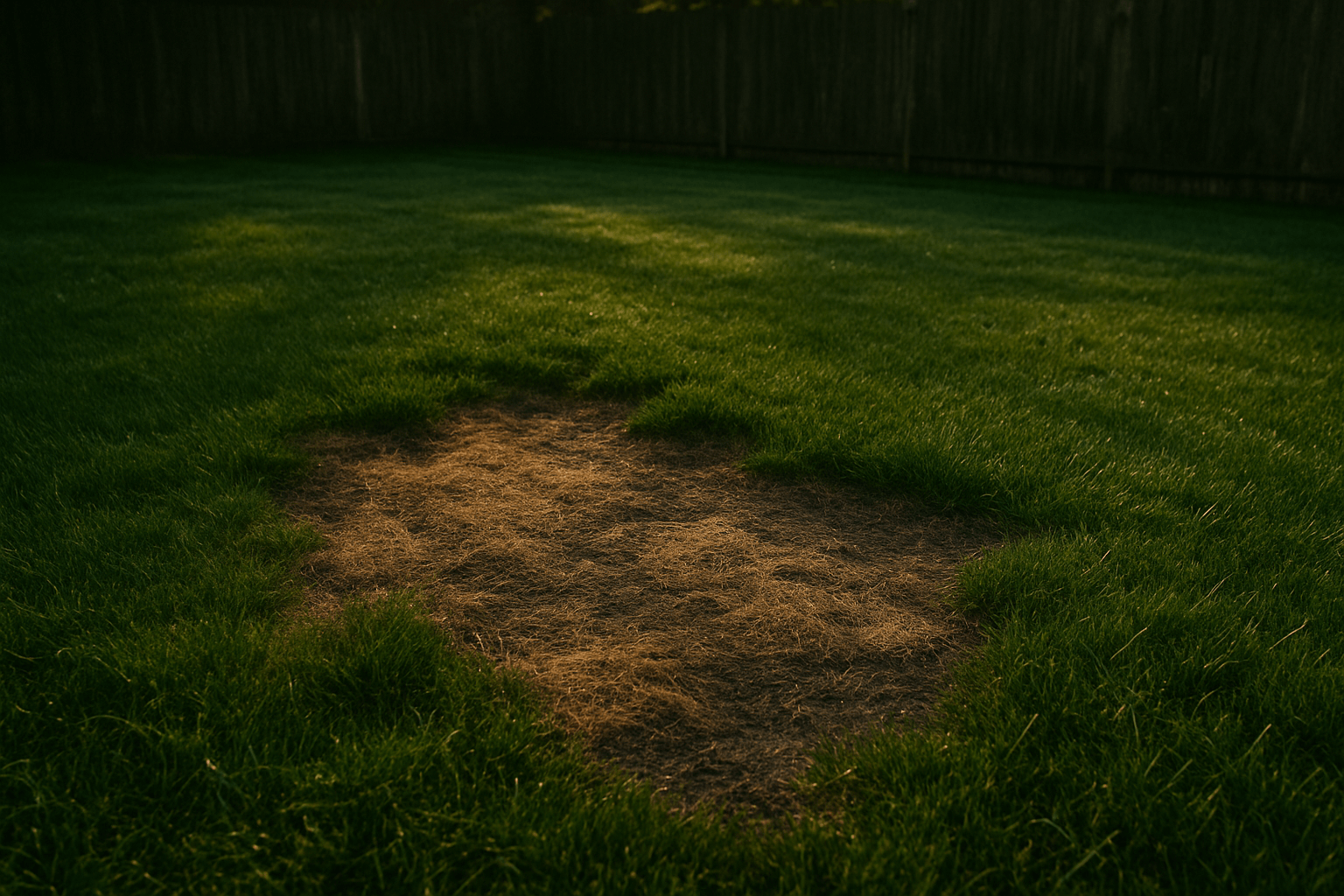
A Straight Look at the Problem
Dead patches in a lawn tend to show up whether you invite them or not. One day your yard looks fine; the next day you notice a brown spot expanding like it owns the place. A lot of folks try quick fixes or throw down products without understanding what actually happened. That usually leads to frustration and more dead grass.
Most of the time, these spots are the result of turf necrosis, which is simply the complete death of the grass in that area. Once the turf has reached that point, it isn’t going to recover on its own. Grass that’s truly dead will not “bounce back” with extra watering or hopeful thinking.
The good news is that fixing turf necrosis is a straightforward process. It requires a clear look at what caused the problem, a clean preparation of the soil, and a patient follow-through. This guide walks you through everything in a practical order — no fluff, no sales angles, just the steps you need.
What Turf Necrosis Actually Means
Turf necrosis is the permanent death of grass tissue. When grass cells die, they don’t regenerate. If the roots are gone or severely damaged, that section of turf can’t repair itself. You’re looking at a spot that must be replaced.
Signs You’re Dealing With Necrosis
- The turf lifts up easily from the soil
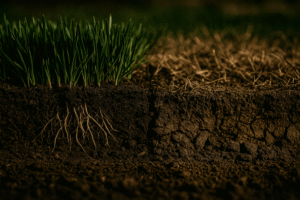
- Roots are brittle, thin, or absent
- Blades are uniformly straw-colored
- No green tissue appears after normal irrigation
- The area feels dry even after watering
These are simple indicators, but they save you from guessing. As your readings pointed out, quality content solves a user’s problem directly and avoids unnecessary complexity.
Why Dead Patches Form: The Real Causes
Dead patches don’t appear randomly. Grass is resilient when conditions are right, so when an area dies completely, something disrupted that balance.
Heat and Drought
Extended high temperatures and inconsistent watering can cause the roots to fail. Shallow-rooted grasses are especially vulnerable in summer.
Pet Urine
High nitrogen concentration in dog urine burns turf quickly. It commonly creates circular dead spots with greener rings around them.
Fungal Disease
Brown patch, dollar spot, and snow mold are common culprits. They often create irregular shapes and can kill turf faster than many homeowners expect.
Insect Damage
Grubs feed on roots and can destroy turf from underneath. If the grass rolls back like a loose mat, insects might be the reason.
Fertilizer or Chemical Burn
Too much nitrogen, or misapplied herbicides, can scorch the lawn. Dead zones appear where the product was concentrated.
Soil Compaction
Grass struggles in compacted soil because air, water, and nutrients can’t reach the roots. Over time, this leads to thinning and death.
Understanding the cause helps prevent the problem from returning. But regardless of the cause, necrotic turf must be replaced with healthy growth.
How to Fix Dead Patches in My Lawn
A Clear, Step-By-Step Method
The steps below follow the “learn” user-intent model described in your readings — direct, organized information that builds confidence and solves the user’s goal. Content Marketing Readings Suma…
Nothing here is complicated, but every step matters.
Step 1 — Confirm the Turf Is Truly Dead
Start by tugging at the brown area. Healthy or dormant grass resists being pulled up. Necrotic turf comes up easily because the roots have decayed or detached. If the turf lifts with little effort, you’re past the point of revival.
Step 2 – Remove All Dead Grass Cleanly
Use a sturdy steel rake, hoe, or hand tool to scrape out every bit of dead material until you reach bare soil. Leaving dead turf in place prevents new roots from establishing. It’s better to be thorough than to rush this.
Step 3 — Loosen the Soil Properly
After removing the dead material, the soil underneath needs oxygen and structure. Compaction is often part of the problem.
Break up the top 2–3 inches with:
- A hand rake
- A digging fork
- A manual aerator
- A cultivator tool
The goal is a loose, workable base where new seed or sod can take hold.
Step 4 — Add a Light Layer of Topsoil or Compost
Spread a ¼-inch layer of quality topsoil or compost over the area. This improves soil structure, moisture retention, and nutrient availability. It also helps create a consistent surface for seed or sod to establish.
You don’t need a thick layer — too much soil smothers new growth.
Step 5 — Apply Seed or Sod the Right Way
When Using Seed
- Choose a seed blend that matches the rest of your lawn
- Spread seed evenly
- Lightly rake it in so it rests just below the surface
- Avoid piling seed — that leads to weak sprouts
Seed takes longer but roots more deeply and adapts better to the environment.
When Using Sod
- Cut out a clean patch to fit
- Press sod firmly into the loosened soil
- Water immediately
- Ensure no air gaps remain
Sod provides quick coverage, especially useful in highly visible areas.
Step 6 — Water on a Reliable Schedule
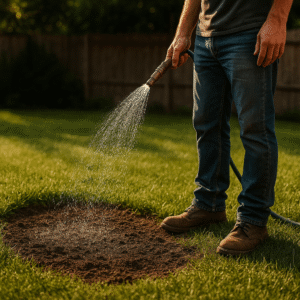
Consistent watering is critical. New seed or sod cannot dry out.
Follow this schedule:
- First 10 days: Light, even watering twice a day
- Next 2–3 weeks: Once a day
- After establishment: Deep watering two or three times a week
You’re maintaining moisture, not creating puddles. Damp soil encourages root growth; soaked soil causes rot.
Step 7 — Keep Foot Traffic Off the Area
Even light pressure can damage new roots. Keep pets, children, and routine traffic off the repaired patch until the new grass is firmly anchored. This takes a few weeks but prevents setbacks.
Step 8 — Mow Only After Grass Is Established
Wait until new grass reaches 3 to 3.5 inches before mowing. Use sharp blades. Remove only one-third of the height. Cutting too soon or too low stresses the young turf and slows the entire process.
Step 9 — Prevent Turf Necrosis From Returning
After restoration, prevention keeps your lawn strong.
Maintain Healthy Roots
- Aerate annually
- Water deeply but not excessively
- Use slow-release fertilizers
- Avoid mowing too short
Address Underlying Causes
- Treat for grubs in midsummer
- Reduce compaction in high-traffic areas
- Water pet spots immediately
- Adjust irrigation in heat waves
- Test soil if problems persist
A healthy lawn is better equipped to withstand stress and far less likely to develop new necrotic patches.
Troubleshooting Recurring Dead Patches
Sometimes a patch comes back in the same spot, even after following the steps. This usually indicates a deeper issue.
Persistent Dog Damage
Dilute urine spots with water immediately. Gypsum products can help reduce nitrogen concentration.
Insufficient Sunlight
Grass needs light. Thin trees or choose shade-tolerant species.
Soil Imbalance
A soil test will reveal pH and nutrient issues. Most lawns perform best between 6.0 and 7.0.
Fungal Recurrence
Consider a targeted fungicide and improve drainage or airflow across the lawn.
When It’s Time to Call a Professional
If you’ve patched the same area two or three times and still see failure, a professional assessment makes sense. Soil issues, fungal patterns, or insect infestations sometimes require tools or treatments homeowners don’t keep on hand.
A good lawn technician can identify the issue quickly and recommend the right course of action. There’s no harm in calling for backup when needed.
A Solid Process That Works
Fixing dead patches caused by turf necrosis doesn’t need to be complicated. Once you identify that the turf is truly dead, the steps are practical:
- Remove the dead material
- Loosen the soil
- Add a light amendment
- Seed or sod
- Water consistently
- Protect and maintain
If you follow these steps with patience and consistency, the repaired areas will blend naturally with the rest of your lawn and stay healthy through the seasons.
Building Better Lawn Habits
Consistency Matters More Than Perfection
Most lawn problems show up when maintenance happens in long, uneven bursts. Grass doesn’t need complex routines, but it does rely on steady attention. A few minutes of upkeep each week prevents the kind of damage that turns into full dead patches.
Pay Attention to How Your Lawn Behaves
Every yard has its own mix of soil, drainage, and sunlight. Two lawns can react differently even in the same neighborhood. The more time you spend observing your lawn’s patterns, the easier it becomes to catch stress early and prevent necrosis.
Focusing on Fundamentals
Don’t Chase Every New Product or Trend
Lawn care marketing can make simple jobs seem complicated. Most of the time, the basics—balanced watering, proper mowing height, and healthy soil—solve issues better than specialty additives. Good fundamentals give your lawn a strong foundation year-round.
Use Tools and Techniques That Actually Help
You don’t need a shed full of gear to keep a lawn healthy. A solid rake, a good hose, and a mower with sharp blades go a long way. Stick with what works and avoid overthinking the process.
Patience Pays Off
Grass Needs Time to Establish
Even when you follow every step correctly, new growth takes patience. Progress shows gradually, not all at once. Trust the process and give your lawn the time it needs to fill in and strengthen.
Healthy Growth Blends in Naturally
Once roots set and the color evens out, a repaired patch becomes indistinguishable from the surrounding turf. With consistent care, these small repairs turn into long-term improvements. Before long, you’ll see the payoff in a lawn that looks clean, uniform, and well maintained.
Get Big Ed’s Lawn Service on the Job
If you want straightforward lawn guidance without gimmicks, subscribe to the blog for updates. You’ll get practical advice, seasonal checklists, and clear explanations that help you maintain a lawn you can take pride in.